
Best Claude Model for Image Generation: The Image Model Is the One That Matters
No version of Claude renders images. Fable 5.1, Opus 5.5, Sonnet 5.5 and Haiku 5.5 all take text and images in and give text out, so the useful question is which image model to connect.
On October 8, 2026 we asked Claude to make the same three images with Nano Banana 2, GPT Image 2.5 and Z-Image through the Claude Imagine connector, and timed and priced every run.
Same prompt and aspect ratio per test · Default 1K size · One run each, nothing regenerated · Independent tool, not affiliated with Anthropic
Which Claude Model Is Best for Image Generation?
None of them draws pixels, but they are not interchangeable in an image workflow. Claude writes the brief, calls the image tool and checks the result.
Opus 5.5: The Default
Anthropic recommends starting with Opus 5.5 for most work. It is a sound choice for turning a vague idea into a precise brief and for saying what to fix in a render.
Sonnet 5.5: Quicker Turns
Anthropic calls it the best combination of speed and intelligence. Useful when you are working through many variations and want fast replies.
Haiku 5.5: Volume Work
The fastest and cheapest current model, built for high-volume tasks. Fine for filling a prompt template across a batch of images.
Fable 5.1: Rarely Needed
Anthropic positions it for demanding reasoning and long agentic work. It is the slowest and most expensive model, and image briefs seldom need it.
All of Them Read Images
Every current Claude model accepts image input, so any of them can look at a render and compare it with your brief.
None of Them Outputs Images
Text out only. A connected image model does the rendering, and that choice changes the picture far more than the Claude version does.
Product Photo: Nano Banana 2 vs GPT Image 2.5 vs Z-Image
Prompt, 1:1: “Product photo of a matte sage-green ceramic coffee mug on a natural linen tablecloth beside a window, soft morning side light, a few coffee beans scattered on the cloth, shallow depth of field, 50mm lens, clean commercial look.” Click a card for the full-size original.
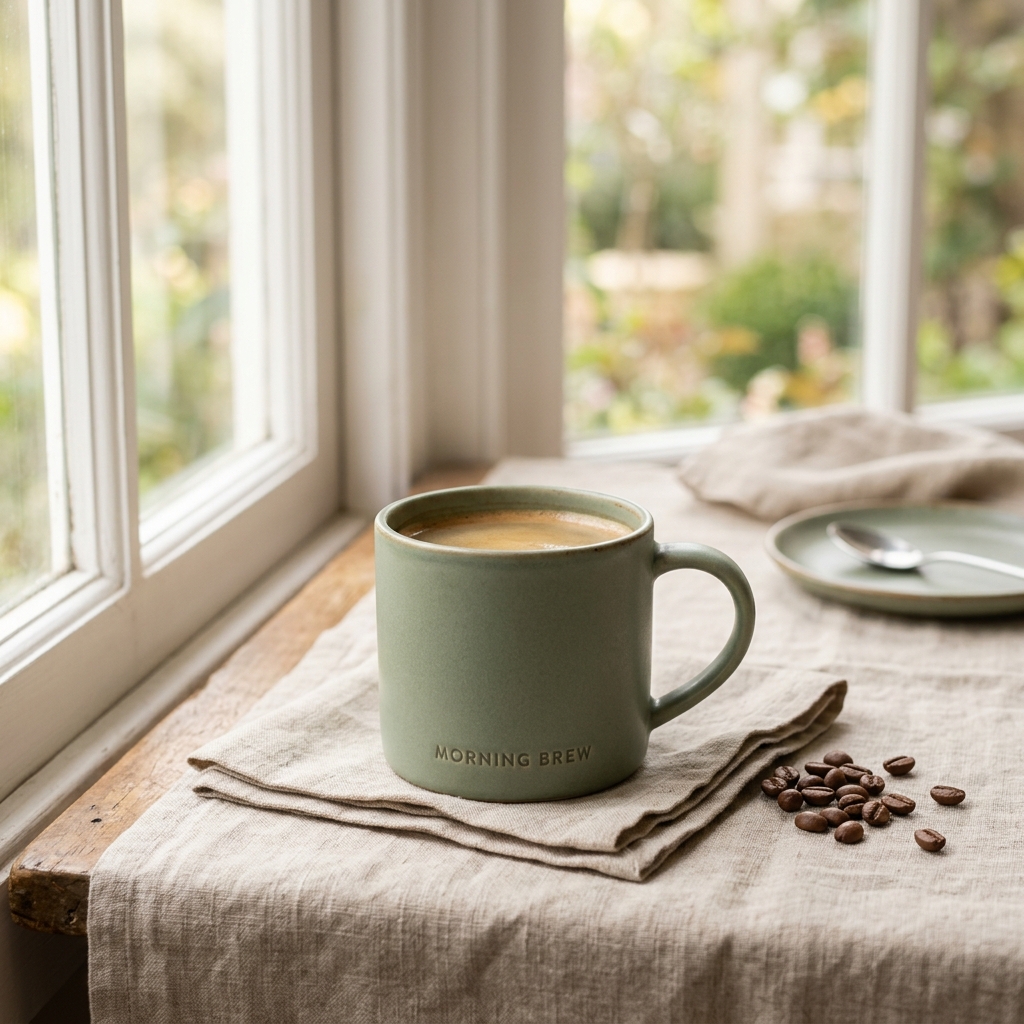
Nano Banana 2 · 5 credits
A styled window scene, but it printed “MORNING BREW” on the mug unasked. Time not counted.
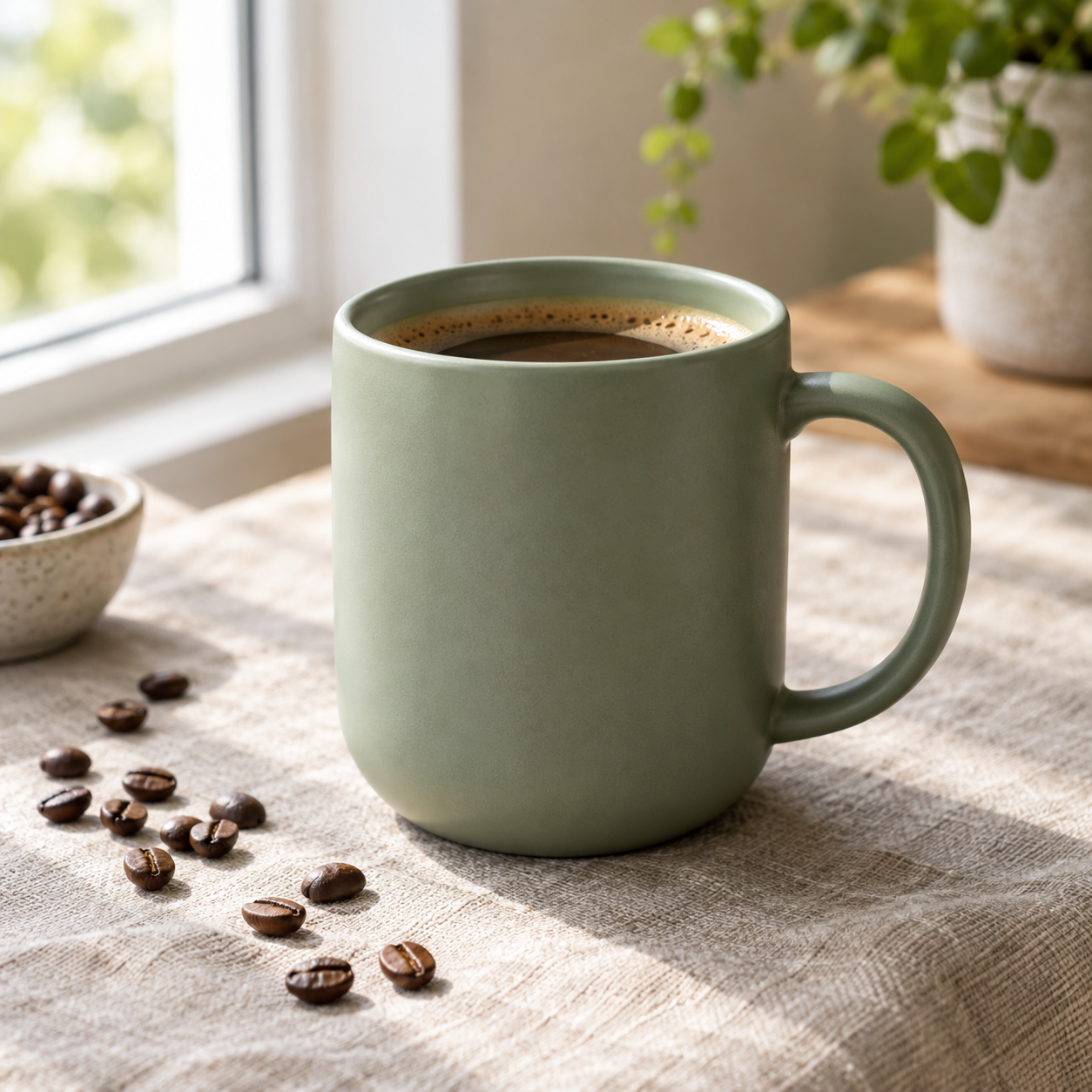
GPT Image 2.5 · 3 credits
Closest to a catalog shot: matte glaze, beans on linen. 81 s, the slowest here.
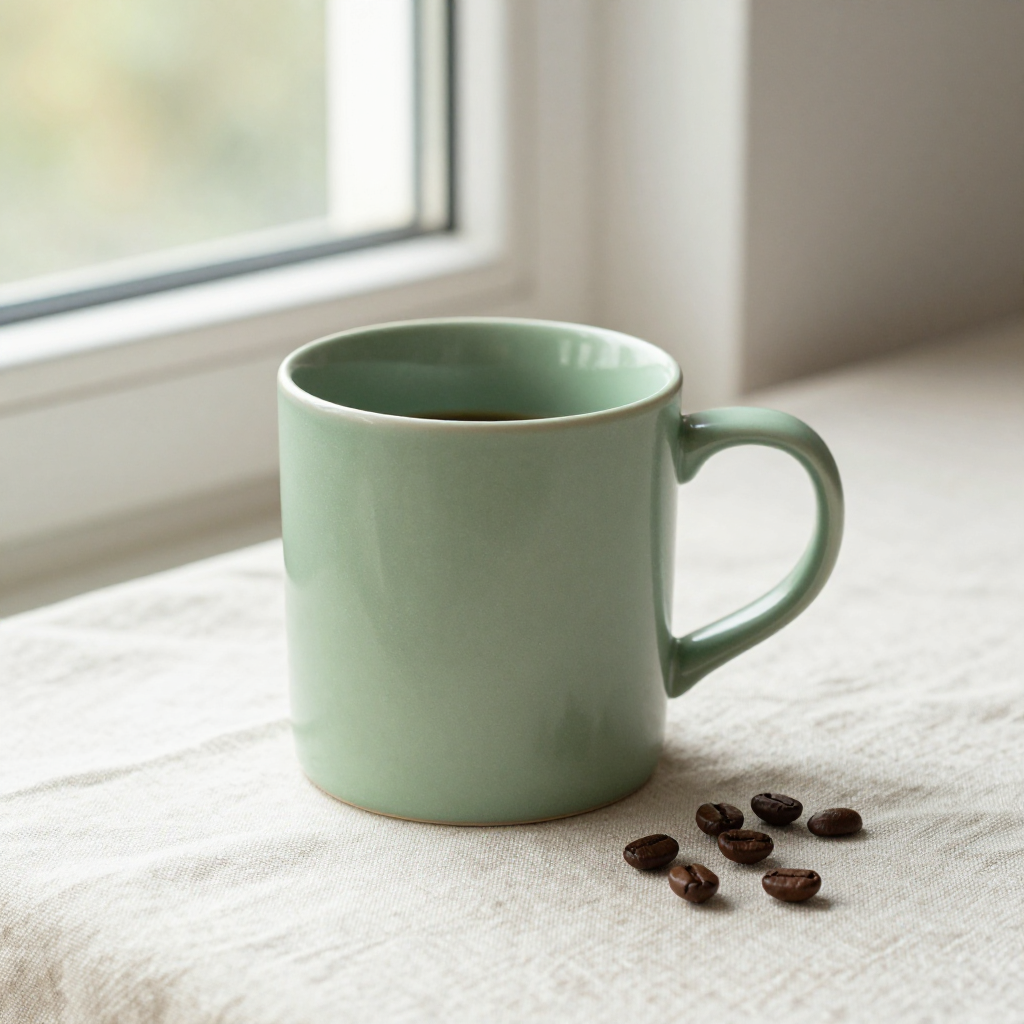
Z-Image · 1 credit
Clean and simple, but the glaze came out glossy, not matte. 22 s.
Text on a Poster: Can Each Model Spell It Right?
Prompt, 3:4: Minimalist event poster. Bold sans-serif headline “NIGHT MARKET”, then “Friday 7 PM” and “Pier 39, San Francisco”. Deep navy background, warm orange string lights across the top, a flat illustration of three food stalls along the bottom.
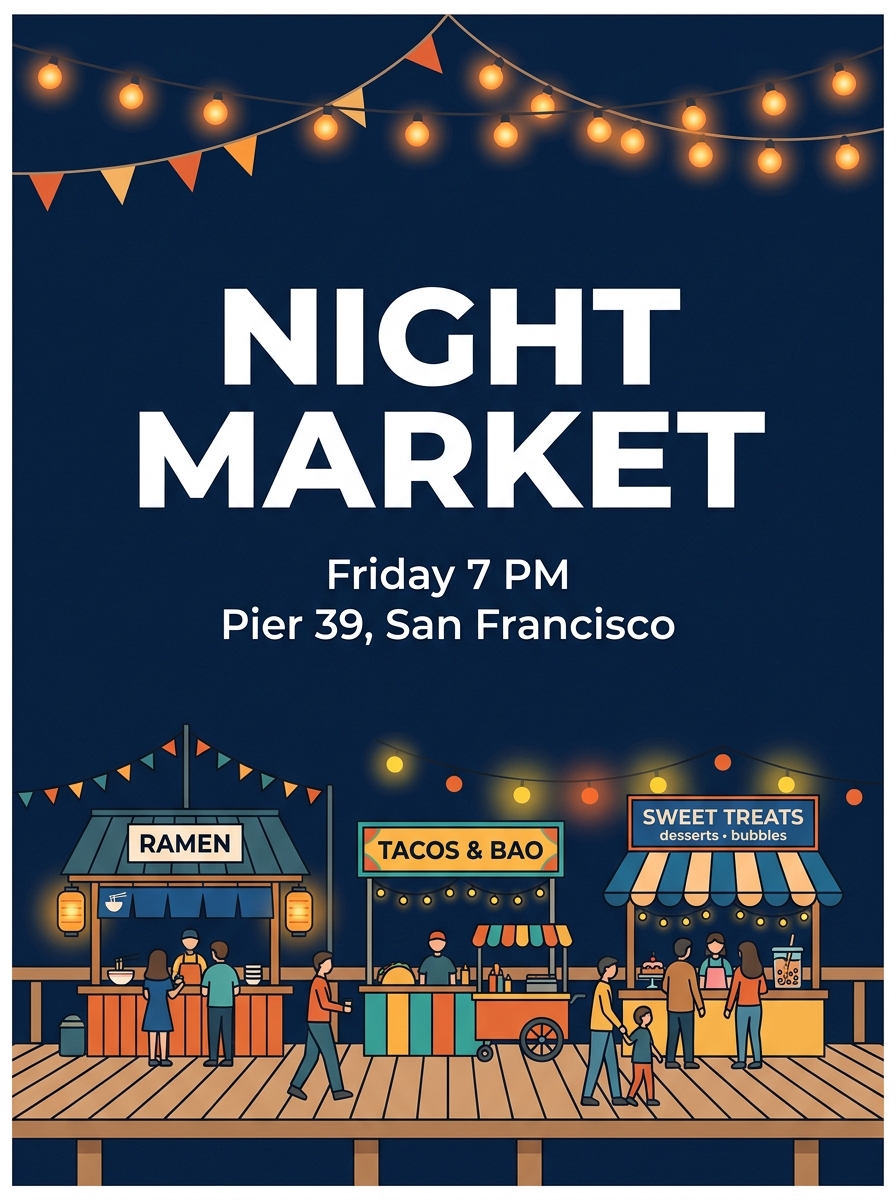
Nano Banana 2 · 5 credits
All text correct. It added stall signs (RAMEN, TACOS & BAO) and shoppers. 13 s.
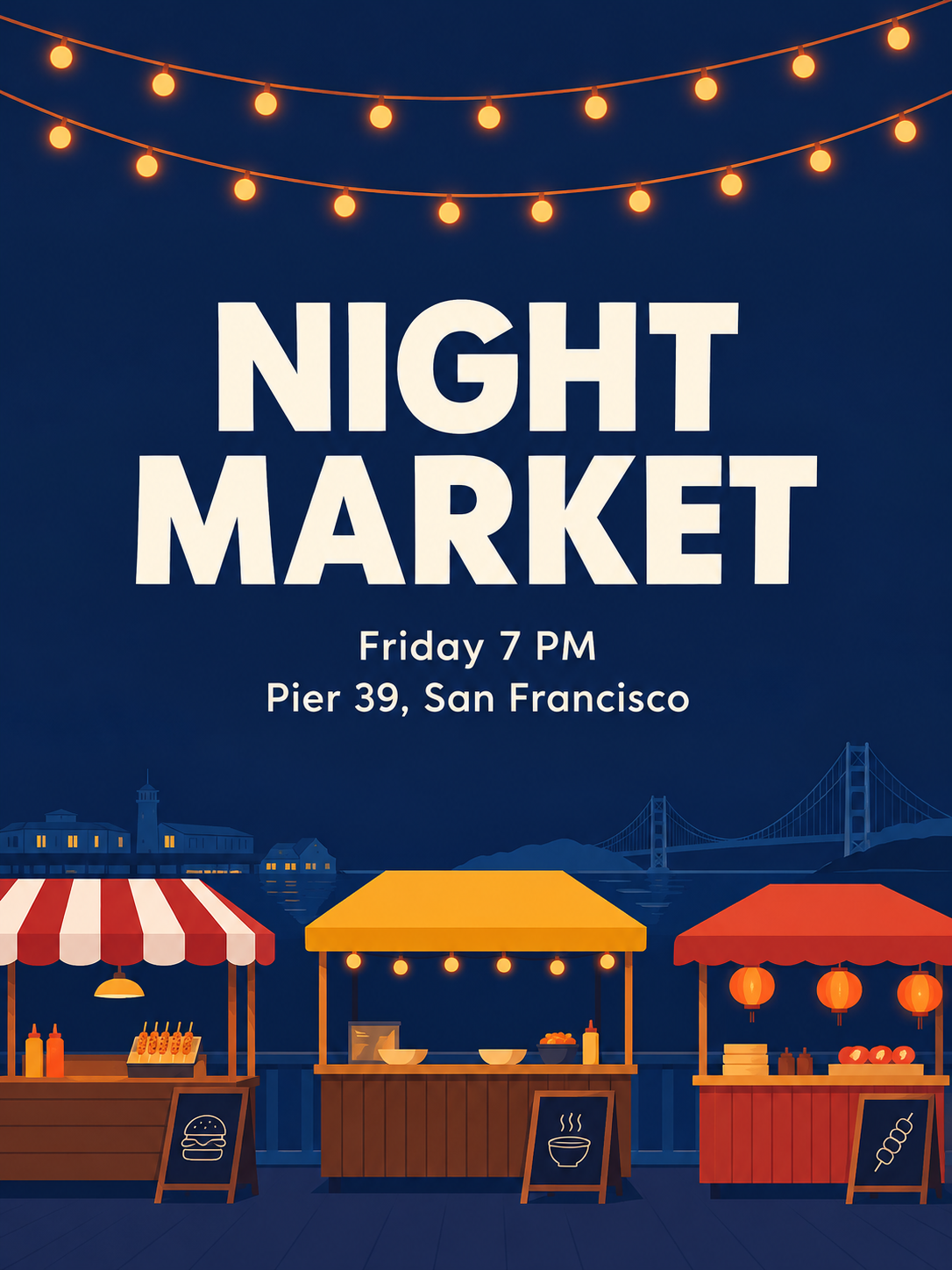
GPT Image 2.5 · 3 credits
All text correct. It added a Golden Gate Bridge skyline for the San Francisco line. 72 s.
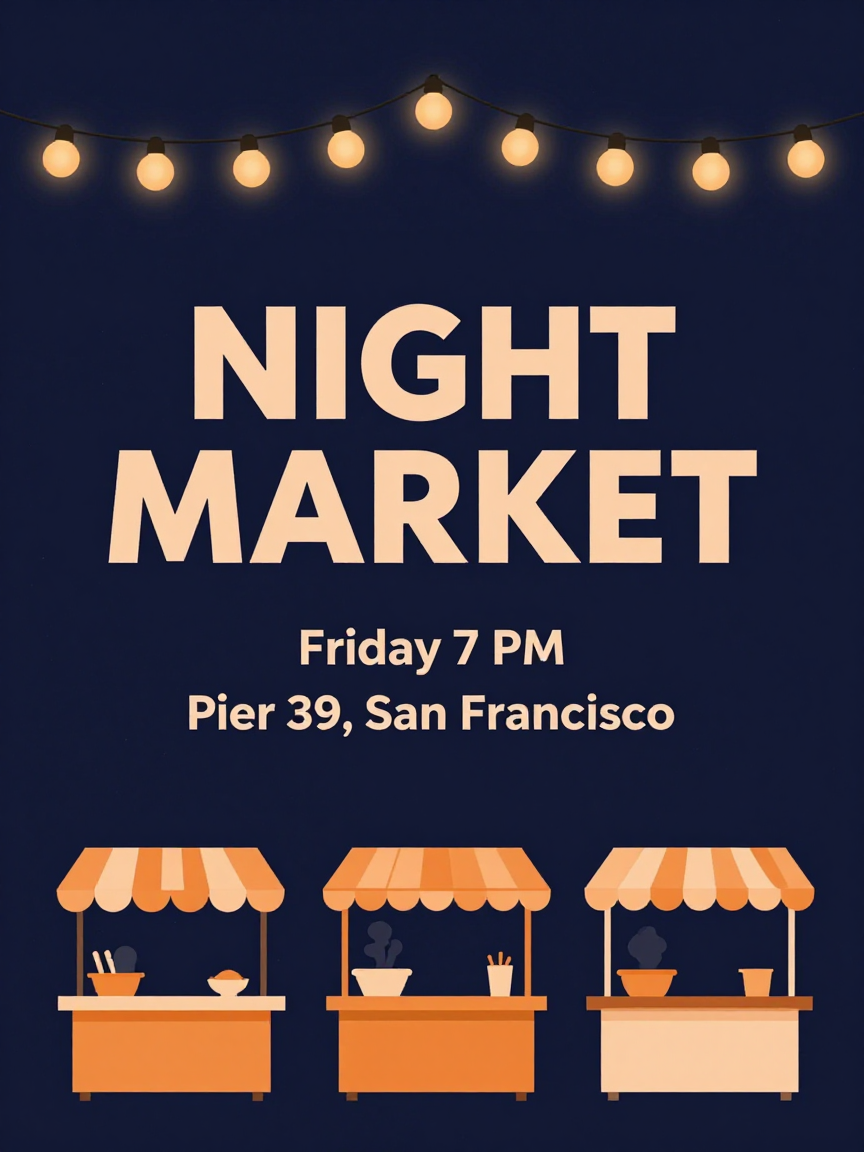
Z-Image · 1 credit
All text correct, and the most literal layout of the three. 18 s.
Watercolor Illustration: Three Takes on One Brief
Prompt, 1:1: “Children's book watercolor illustration of a small red fox reading a book under a brass lamp in a cozy library at night, warm amber palette, soft paper texture, gentle and whimsical.”
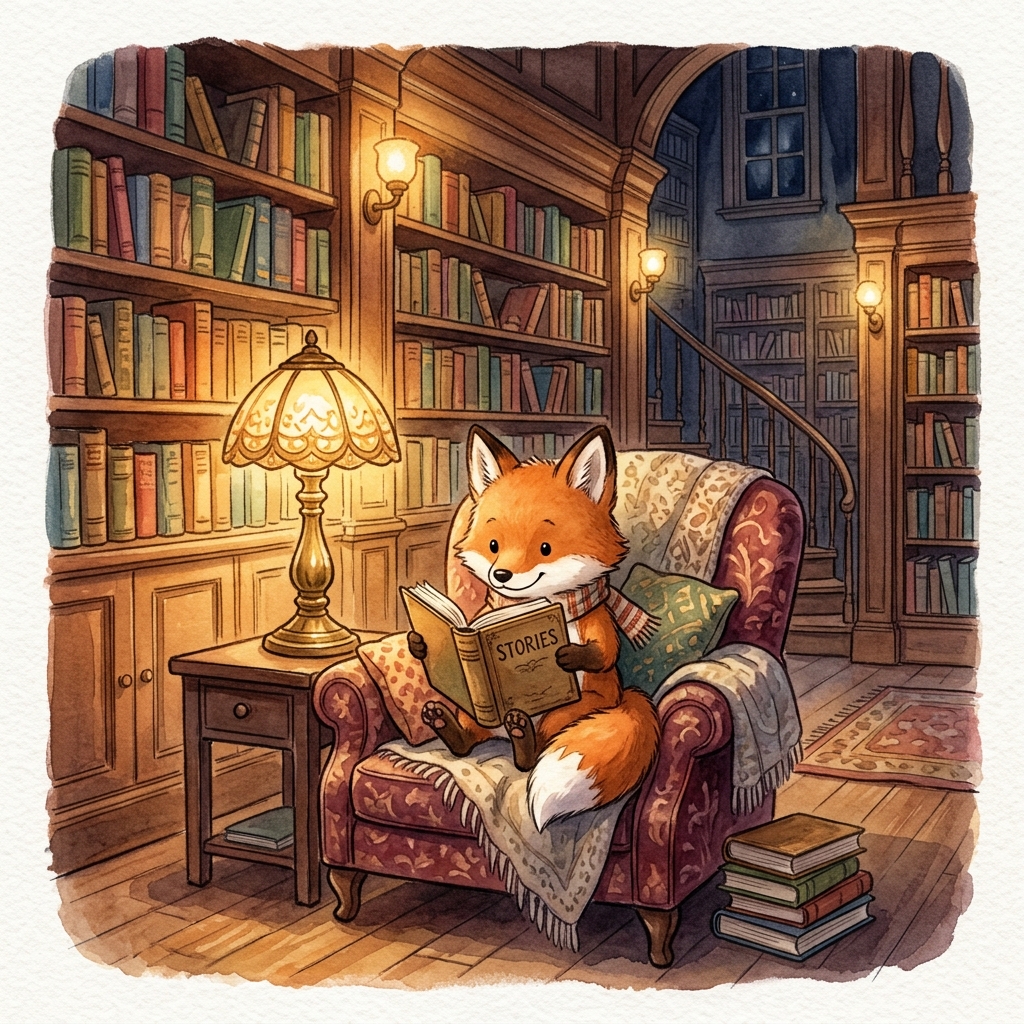
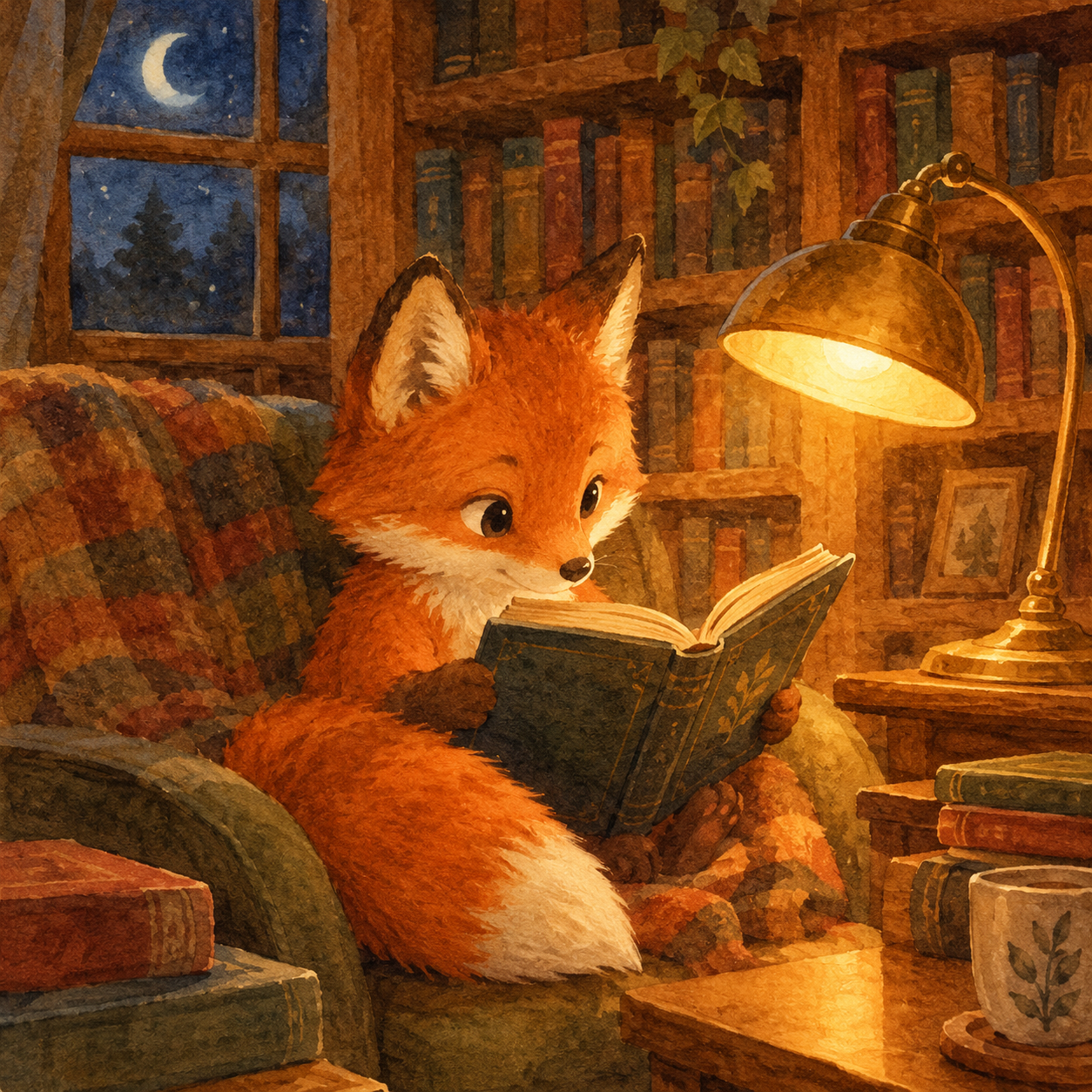

Results: Speed, Price and Habits of Each Image Model
Nine images, 27 credits. Times run from task creation to completion in our task log.
Nano Banana 2: Fast, Rich, Adds Extras
5 credits and about 13 seconds per image, 1024 × 1024 at 1K. The most finished-looking scenes, and twice it added words nobody asked for. Tell Claude "no text on the product" when you need a clean shot.
GPT Image 2.5: Closest to the Brief
3 credits and 69 to 81 seconds per image, 1254 × 1254 at 1K, the largest output of the three. The cheapest full-quality model here and also the slowest.
Z-Image: One-Credit Drafts
1 credit, or 0 on Pro and Studio plans, and 11 to 22 seconds, 1024 × 1024. The most literal, simplest images; it missed the matte finish on the mug.
Which Image Model to Use With Claude, by Job
What our three prompts suggest. Three prompts are a small sample, so treat this as a starting point and run your own brief before a big batch.
Short Text: Any of the Three
All three spelled "NIGHT MARKET", "Friday 7 PM" and "Pier 39, San Francisco" correctly. Short text no longer separates them; test longer copy before you rely on it.
Product Shots: GPT Image 2.5
It followed the product brief most closely, at 3 credits. Nano Banana 2 looks more styled but may invent branding on the product.
Detailed Scenes: Nano Banana 2
It built the fullest environments in all three tests and returned them in about 13 seconds.
Drafts and Layout Checks: Z-Image
1 credit and well under half a minute. Settle the composition here, then render the final with another model.
When Speed Matters: Avoid Waiting on GPT Image 2.5
It took 69 to 81 seconds per image against about 13 for Nano Banana 2. Fine for one hero image, slow for a batch of twenty.
Seedream 4.5 and Flux 2 Pro
Both are available on Pro and Studio plans and were not part of this run, which used the three models every plan includes.
How We Ran the Test
Small, but repeatable. You can run the same prompts in your own Claude chat.
Same Prompt, Three Models
Claude called generate_image through the Claude Imagine connector once per model, with the same prompt and aspect ratio and each model's default 1K size.
One Run Each
Every image on this page is the first and only result for that prompt and model. Nothing was regenerated or picked from a set.
Timed From Our Task Log
Nano Banana 2's first run is left out: the call timed out on our side and the finished task was collected minutes later.
Priced in Credits
The nine images cost 27 credits: 5 per Nano Banana 2 image, 3 per GPT Image 2.5 image and 1 per Z-Image image.
Best Claude Model for Image Generation FAQ
Have another question? Email us at support@claudeimagine.com.
Test run October 8, 2026 through the Claude Imagine MCP connector; times from our task log; images shown as generated and resized for the web, with full-size originals linked from each card. Claude model facts from Anthropic's models overview, the Claude Opus 5.5 announcement and the Help Center article Can Claude produce images?. Whether Claude can make images on its own: Can Claude generate images?
Run the Same Prompts in Your Own Claude Chat
Connect Claude Imagine once, then name the model in your message. A new account starts with 9 credits, and your first connection adds 6.